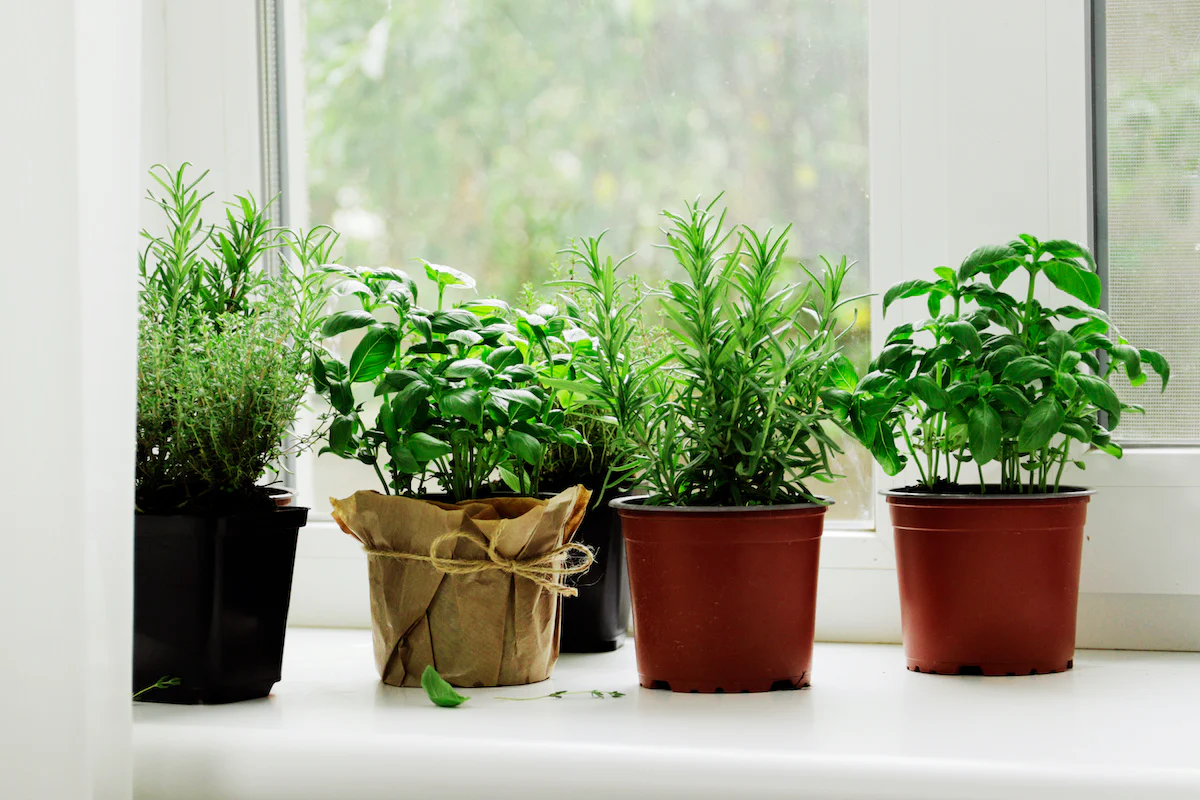

Just because you live in a small apartment that gives your plants limited access to sunlight doesn’t mean you can’t have fresh herbs. By using the proper methods and equipment, you can have an urban based indoor herb garden that thrives. Here’s how to grow herbs indoors without direct sunlight.
Choose the Right Herbs
Overview: Indoor are some herbs that grow better and are more forgiving in low-light situations.
Top Picks:
- Mint: Pretty hearty and tolerates different light scenarios.
- Parsley: Shy of light but well-suited to constant harvesting.
- Chives: Easy to grow indoors with minimal maintenance.
Action Steps:
Choose herbs that are naturally more suited to growing indoors.
Use seed packets or small plants from a local nursery.
Use Supplemental Lighting
Overview: Artificial lighting is an important for growing herbs inside as sunlight is a constraint.
Options:
- LED Grow Lights: Energy-efficient and mimic the spectrum of light required by plants.
- Fluorescent Grow Lights: A cheaper method that is effective in a smaller environment.
Action Steps:
Hang grow lights 6-12 inches over your plants to simulate natural sunlight.
Give your herbs 12-16 hours of light each day with a timer.
Select Proper Containers
Overview: The proper pots will allow herbs to flourish indoors.
Tips:
- Draining: Use pots that have holes to prevent waterlogging soil.
- Size: Choose smaller pots that can be adjusted to smaller areas.
Action Steps:
Pick decorative pots in line with your apartment’s aesthetic.
These saucers should also be used to prevent messes and excess water from running off.
Use Quality Soil and Fertilizer
Summary: Indoor herbs need good soil and nutrients.
Tips:
- Potting Mix: Select a high-quality potting mix with good drainage capabilities.
- Fertilizers: Use slow-release organic fertilizers for nutrient availability.
Action Steps:
When you do, tassel in some perlite or sand to help with drainage.
Feed regularly every 4-6 weeks for robust growth.
Optimize Watering Practices
Overwatering is the most common mistake in growing any indoor herbs. Proper watering is essential.
Tips:
- Before watering, put your finger in the soil to check moisture.
- Consistency: Let the top inch of soil dry out between waterings.
Action Steps:
Water well until water trickles out the bottom, then let soil dry a bit.
Watch your plants’ reactions to tailor watering.
Maintain Ideal Temperature and Humidity
Overview: Herbs prefer certain temperature and humidity levels.
Tips:
- Temperature: 60-75°F Herbs prefer moderate temperatures.
- Increase humidity with a small humidifier or by placing water trays nearby.
Action Steps:
Do not keep herbs near heat sources or draughty windows.
Every so often, give your herbs a light mist to increase humidity levels.
Regular Pruning and Harvesting
Summary: For herbs, pruning encourages healthy growth and productivity
Tips:
- Pinch back: Pinch new growth regularly to promote bushiness.
- Harvest Smart: Only harvest about a third of the plant at once.
Action Steps:
Follow with very sharp scissors for a clean cut.
It also helps ensure that herbs do not become lanky and overgrown, which they can do quite easily if left unattended on a regular schedule.
Monitor for Pests
Overview: It’s not just outdoor plants that can be pest magnets.
Tips:
- Inspect: Inspect, your leaves and soil regularly for signs of pests.
- Neem oil or insecticidal soap make sure that you use a natural pest control.
Action Steps:
Quarantine all plants before people until pests are no more.
Keep the plants healthy, as well-healthy plants are less vulnerable to pests.
Conclusion
With good setup, growing herbs indoors without sunlight is totally possible. Choosing versatile herbs, supplementing with lights and adjusting watering and care practices will yield an abundant indoor herb garden for you to enjoy. These pungent perfumers will enrich your cooking and uplift your indoor air. So give it a go, adapt as needed, and praise the delicious flavors and aesthetic rewards homegrown herbs provide in your apartment lifestyle. Happy gardening!