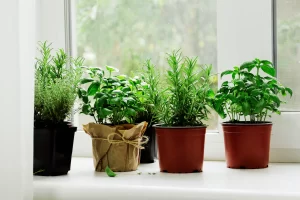
Managing a green and lush space can feel overwhelming for those with busy lifestyles. But there are so many low-maintenance plants that require little care. Here’s a guide to some top alternatives for homeowners short on time.
Snake Plant (Sansevieria)
Overview: With its prominent standing leaves, the snake plant is one of the most forgiving in-door plants.
Care Tips:
- Light: Flourishes in low to bright indirect light.
- Water: Let soil dry between waterings. Water every 2-6 weeks based on light and temperature.
- Benefits: Good air purifier; absorbs toxins like formaldehyde in the air.
Best for: Those new at keeping plants alive and homes with very low light.
Spider Plant (Chlorophytum comosum)
Overview: The spider plant is decorative and tough, with its scalloped leaves stretching into hoops and its tiny white flowers blooming on a spike.
Care Tips:
- Light: Likes bright indirect light but will tolerate low light.
- Water: Water moderately, letting the top inch of soil dry out between waterings.
- Benefits: Notorious for removing the likes of carbon monoxide and xylene.
Best For: Homes with pets—safe for animals.
ZZ Plant (Zamioculcas zamiifolia)
Overview: The ZZ plant has shiny, dark green leaves and flourishes on neglect.
Care Tips:
- Light: performs brilliantly at low to bright indirect light.
- Water: Water once the soil is fully dry.
- Benefits: It is tolerant of low humidity and drought; a great option for busy owners.
Best For: Workplaces and dark environments.
Pothos (Epipremnum aureum)
Also Called: Philodendron or golden pothosOverview: This trailing vine is a favorite all around for their laid-back attitude and air-purifying capabilities.
Care Tips:
- Light: Tolerates low light, but won’t grow as quickly – grows best in bright, indirect light.
- Water: When an inch of top soil is dry. It’s tolerant of missed waterings.
- Benefits: Acts as a natural air filter, absorbing toxins such as benzene and formaldehyde.
Best For: Hanging baskets or trailing across shelves and bookcases.
Aloe Vera
Overview: Renowned for its medicinal qualities, aloe vera is a succulent that’s both functional and easy to grow.
Care Tips:
- Light: Prefers bright, indirect sunlight.
- Water: Let the soil dry out completely before watering again. Water every 2-3 weeks.
- Benefits: The gel in its leaves can calm burns and skin irritation.
Best For: Sunny windowsills or kitchens where it can be easily accessed for its healing properties.
Peace Lily (Spathiphyllum)
Overview: The peace lily is a classic choice for low-maintenance beauty with its dark leaves and graceful white flowers.
Care Tips:
- Laeve: Performs well in low light to bright indirect light.
- Water: Water the soil and do not overwater it. Adjust based on humidity levels.
- Pros: Great for removing air toxins such as ammonia, benzene and formaldehyde.
Best For: Dim-lit nooks and bedrooms.
Cacti
Overview: Available in a myriad of shapes and sizes, cacti are the ultimate no-fuss plants.
Care Tips:
- Light: Requires bright, direct sunlight for several hours daily.
- Water: Let soil dry out completely before watering again—every 4-6 weeks generally.
- Benefits: Provides a pop of desert heat to your home with little attention.
Best For: Bright windowsills and beginners.
Rubber Plant (Ficus elastica)
Overview: A bold plant with big, shiny leaves, the rubber plant is hardy and flexible.
Care Tips:
- Light: Bright indirect light is best, but they tolerate low-light.
- Water: Allow the soil to slightly dry before watering. In cooler months, fewer is more.
- Benefits: Renowned for its air-purifying abilities.
Best For: Living rooms and offices.
Conclusion
Reducing time spent indoors is as easy as creating a green sanctuary at home. With these easy-care plants, even the most distracted homeowner can enjoy the benefits of houseplants. Selecting these rugged varieties and adhering to a few simple guidelines can brighten your living area with little effort. From air cleansing to attracting beauty, these varieties provide a lot of benefit with minimal care. Celebrate the joy of effortless gardening and allow nature to light up your house.