Growing your own veggies at home is a great way to get fresh produce while getting in touch with nature. No matter how large a backyard or small a balcony, in which you can grow a thriving garden. A beginner’s guide to starting your own vegetable garden
Choose the Right Location
Choose the Spot: Finding a great spot is key to growing vegetables.
Steps:
- Sun: Make sure the spot gets 6-8 hours of sun a day. Even so, most vegetables prefer full sun.
- Water Availability: This should be located close to a water source.
- Good Drainage. Do not garden in areas where water stands after rain. Vegetables prefer well-drained soil.
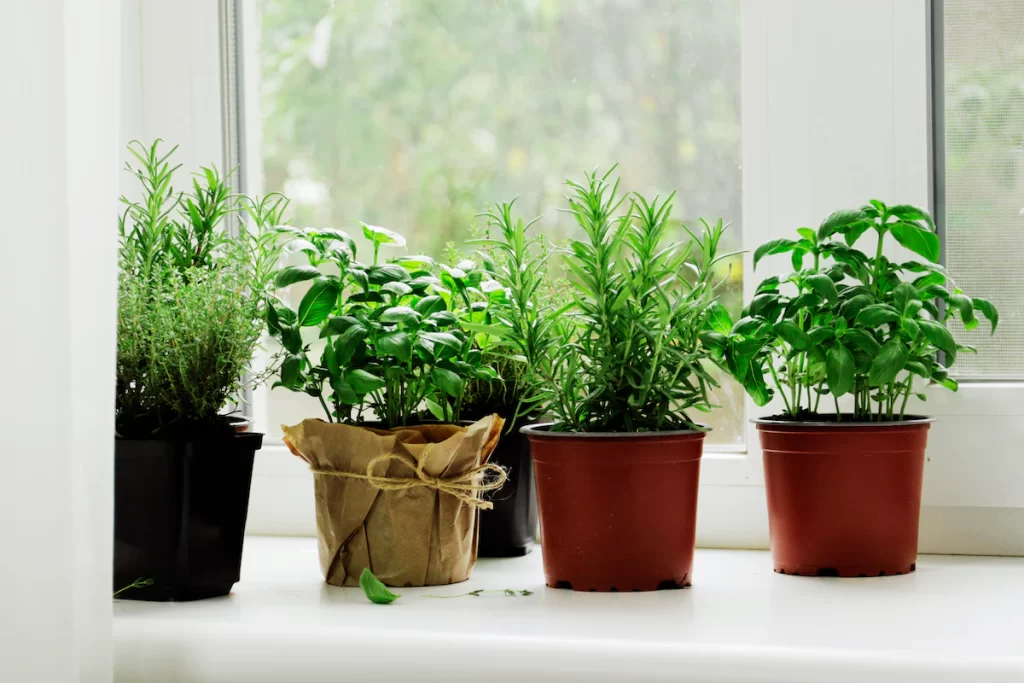
Tip: For small spaces, try pots or vertical planters on a sunny balcony or patio.
Decide What to Grow
In General: Choose easy-to-grow vegetables that are right for your climate.
Steps:
- Soil Types:Research what soil types are most relevant to your climate, and the crops that do best.
- Easy-to-Grow Veggies: Lettuce, tomatoes, radishes and zucchinis are good starters.
- Personal Preference: Review (and grow) vegetables you and your family want to eat.
Pro tip: Check local gardening resources or nurseries for advice on when to plant where you live.
Plan Your Garden Layout
OverView: Create a big enough layout that allows for the growth requirements of various vegetables.
Steps:
- Horizontal and Vertical Space: Consider both horizontal and vertical space especially if planting in containers or raised beds.
- Block vs. Row Planting: Rows are the traditional method, but block planting allows for better space plasticity.
- Companion Planting: Grow compatible plants together to promote growth and ward off pests.
Tip: You might sketch a simple garden plan, showing spacing and where plants should be.
Prepare the Soil
Overview: Soil health is fundamental to a productive vegetable garden.
Steps:
- Clear the Area: Clean your selected area of rocks, debris and weeds.
- Enrich Soil Quality: Work in compost or well-rotted dung to improve the soil.
- Test Soil pH: Get a soil testing kit to verify your soil pH is suitable for the vegetables you pick (generally 6.0 to 7.5).
Tip: If soil quality is poor or if the drainage status needs improvement, consider raised beds.
Plant Your Seeds or Seedlings
Overview: The way you plant can make a world of difference in the success of your garden.
Steps:
- Plant Properly: Follow the depth and spacing instructions on your packet label, whether planting seeds or seedlings.
- Water Gently: Immediately after planting, water to assist seeds in germinating and roots in establishing.
- Label plantsUse markers to remember which kinds of vegetables you have planted where.Label h planters and pots.
Tip: Start your garden early by planting seeds indoors a few weeks before your last frost date, and then transplant them in the ground.
Maintain Your Garden
Regular garden maintenance keeps the area healthy and productive.
Steps:
- Watering: Water should be used to keep the soil moist but not saturated. Watering in the early morning works best.
- Weeding: Make sure to weed regularly, removing any weeds that compete with your vegetables for nutrients.
- Pest Management: Check for pests and manage them naturally using neem oil or beneficial insects.
Tip: Mulching retains moisture in the soil and suppresses weeds.
Harvest and Enjoy
Summary: For optimal flavors and continued production, harvest the right time.
Steps:
- Learn Harvesting Times: Cultivate knowledge of the appropriate signs that vegetables are ready to be picked.
- Harvest Constantly: Harvesting often spurs plants to keep producing.
Tip: If you are harvesting delicate or vining vegetables, make clean cuts with garden shears.
Conclusion
Home gardening can be a fun project, directly picking up ripe vegetables and fruits from your backyard. With a little care and attention, you’ll reap the benefits of growing fresh vegetables yourself by selecting an appropriate space, choosing simple plants to grow and maintaining your garden. Keep in mind that patience and persistence are important—gardening is a process of learning and growing. Follow through and reap the rewarding harvest of your own produce. Happy gardening!